
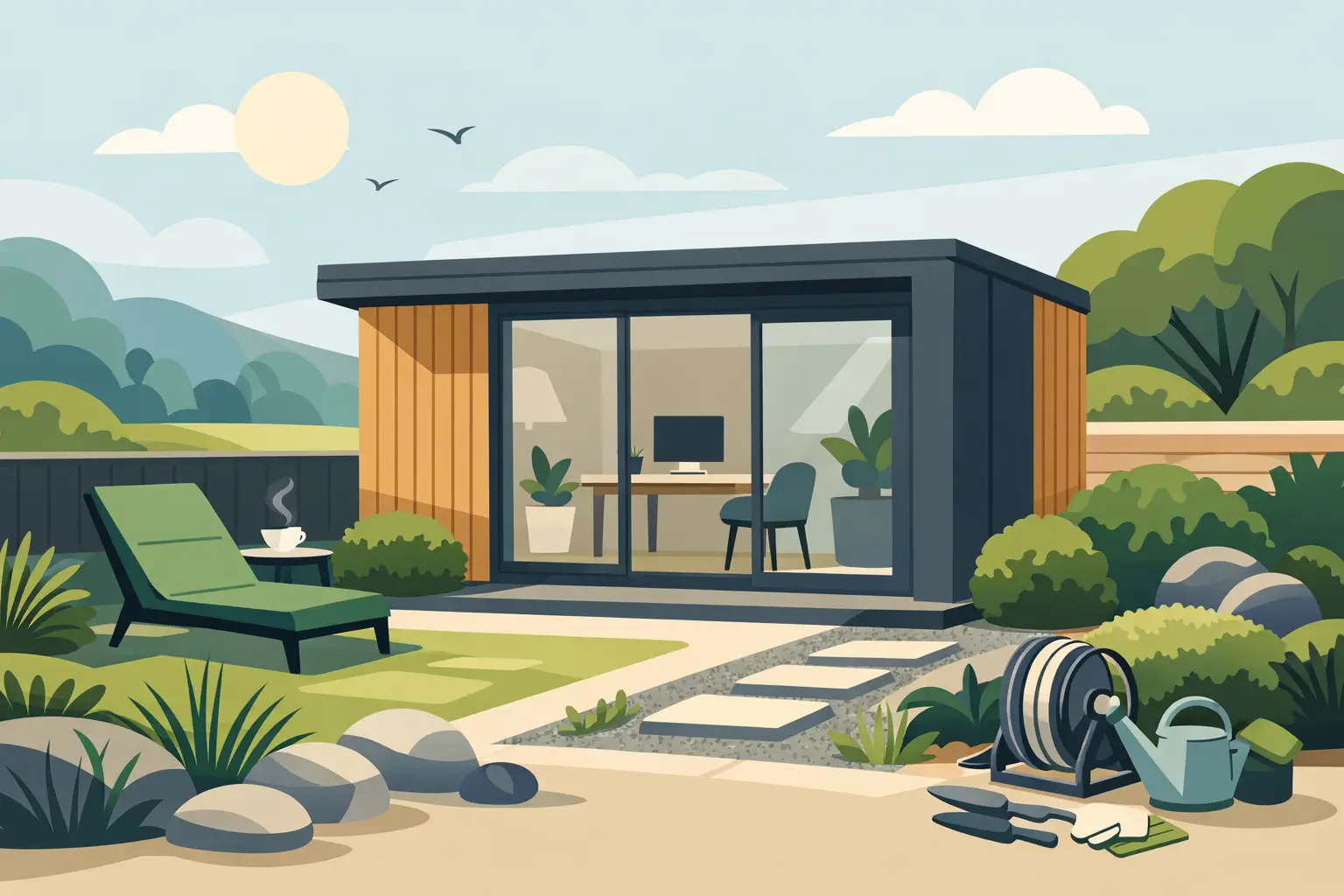
A garden building can look brilliant on day one and still become a chore by year three. Paint starts to fade, timber needs treating, and what was meant to be a relaxing extra space turns into another job on the list. That is exactly why more homeowners are looking for a low maintenance garden room – one that gives them usable space all year round without the usual upkeep.
The appeal is simple. You want more room to work, host, exercise or switch off, but you do not want the disruption of a full extension or the ongoing burden of a structure that constantly needs attention. A well-built garden room should add convenience to your life, not another cycle of sanding, sealing and repairs.
What makes a garden room low maintenance?
Low maintenance does not mean no maintenance at all. Every outdoor building benefits from basic cleaning and occasional checks. The difference is that the right specification removes the repetitive, costly jobs that come with more traditional builds.
The main factor is the external material. Standard timber can look attractive, but it often needs regular painting, staining or treating to protect it from moisture and UV exposure. In the UK climate, that commitment quickly becomes familiar. Rain, frost and changing temperatures test every surface.
A composite exterior changes that picture. It is designed to offer the visual warmth of timber with far less upkeep. You still get a smart finish, but without the same risk of rotting, warping or peeling paint. For homeowners who want their building to keep its appearance without constant intervention, that matters.
Roofing also plays a major role. A low-quality roof can create problems long before the walls do, especially if water drainage is poor or the finish degrades under weather exposure. High-performance roofing systems are built to cope with year-round conditions, helping to protect the structure and reduce future maintenance demands.
Windows, doors and insulation should not be overlooked either. A garden room that is draughty, damp or prone to condensation can become expensive and frustrating to own. Good quality glazing and insulated construction help keep the space comfortable while reducing wear caused by temperature swings and moisture.
Why a low maintenance garden room suits modern homes
For many households, extra space is no longer a luxury purchase. It solves a practical problem. One person needs a quiet office, the children need room to study or unwind, or the house simply feels full. A garden room offers separation without moving house, and the low-maintenance version makes that solution even more attractive.
If you work from home, convenience matters. You want a room that feels professional, warm in winter and comfortable in summer, but you also want your weekends back. The same goes for family use. Whether the space becomes a studio, gym, hobby room or guest area, it should stay looking good without demanding regular upkeep.
This is where bespoke design earns its place. Not every household uses the space in the same way, so layout, glazing, access and internal finish all need to support how you actually live. A building that is designed around your needs is more likely to stay useful long term, and that is part of value too.
The real cost of high-maintenance alternatives
A cheaper garden building can look like good value at first glance. The issue is what happens after installation. If the structure needs staining every year or two, if timber boards start showing wear, or if the roof and trims begin to age poorly, the running cost changes.
That cost is not only financial. It is also time, hassle and interrupted use. If the building is being repainted during summer or needs repair after a wet winter, it stops feeling like an easy extension of the home.
A low maintenance garden room typically costs more upfront than a basic timber alternative, but the long-term equation is often stronger. Fewer treatments, fewer repairs and a longer-lasting finish make ownership simpler. For buyers who care about durability and appearance, that trade-off is usually worthwhile.
There is also the matter of kerb appeal – or in this case, garden appeal. A tired-looking outbuilding can drag down the feel of the whole outdoor space. A high-quality composite finish helps the room remain a smart feature rather than something that dates quickly.
Features worth looking for in a low maintenance garden room
Not all garden rooms marketed as low maintenance are equal. The headline sounds good, but the detail is where the difference sits.
Start with the outer shell. Composite cladding is a strong indicator of lower upkeep, especially when paired with authentic timber-style finishes that hold their appearance well. It gives you the natural look many homeowners want, without tying you into a repainting routine.
Then consider insulation. A proper all-year-round garden room should have insulated walls, roof and floor so it does not become too cold in January or uncomfortably hot in July. Comfort is not just a luxury feature. If the room cannot be used properly through the seasons, its value drops.
Doors and windows should feel solid and secure, with quality frames and glazing suited to regular use. This is particularly important if the building will function as an office, annexe or leisure room. Better components generally mean fewer issues over time.
Inside, think practically. Flooring, electrics, lighting and heating all affect how easy the room is to live with. The best low-maintenance spaces are not only durable outside. They are also simple to clean, comfortable to occupy and designed for everyday life.
Choosing the right use for your space
A low maintenance garden room works because it is flexible. The same structure can support very different lifestyles depending on the design.
For remote workers, it creates a clear boundary between home and work without the commute or the cost of moving. For families, it can become a calm second lounge, a games room or a space for teenagers that frees up pressure in the main house. For older homeowners, it may offer a practical annexe-style setting for relatives while keeping everyone close.
Leisure use is just as popular. Home gyms, garden bars, creative studios and entertainment rooms all benefit from year-round comfort and easy ownership. If you are investing in a specialist space, the last thing you want is a building that demands constant maintenance before you can enjoy it.
This is why bespoke matters. A hobby room and a granny annexe do not need the same layout, glazing or access. A tailored building gives better daily use, and when the specification is focused on durability, it supports that use with less effort from you.
Design choices that reduce hassle later
Some maintenance problems begin at design stage. Oversized overhangs, awkward drainage, poorly positioned doors or too little ventilation can all create avoidable issues. A specialist approach helps prevent that.
Good design takes the site into account. Sunlight, privacy, access and ground conditions all shape what will work best. It also considers how the building will age. Finishes should look smart now, but they should still perform after repeated exposure to wind, rain and seasonal changes.
This is one reason many homeowners prefer a complete, purpose-built solution rather than piecing together decisions from a basic off-the-shelf model. The more carefully a garden room is designed and built, the less likely it is to create frustrations later.
Composite Garden Studios centres this approach on hassle-free ownership, combining bespoke layouts with composite durability and insulated, all-year-round construction. For buyers who want the look of timber without the workload, that combination makes clear sense.
Is a low maintenance garden room right for everyone?
In most cases, yes – but priorities differ. If your main goal is the lowest possible purchase price, a simpler timber structure may still appeal. Just be realistic about the upkeep that comes with it.
If, on the other hand, you value convenience, appearance and long-term use, a low maintenance garden room is usually the better fit. It is especially well suited to busy households, professionals working from home, and anyone who wants an outdoor space that feels like part of the property rather than a separate project to manage.
The best results come from choosing a building that matches both your lifestyle and your expectations. Think beyond the brochure image and ask how the space will perform after several winters, busy summers and daily use. A garden room should make home life easier, more comfortable and more flexible. If it does that without asking for much in return, you will feel the value every day.