
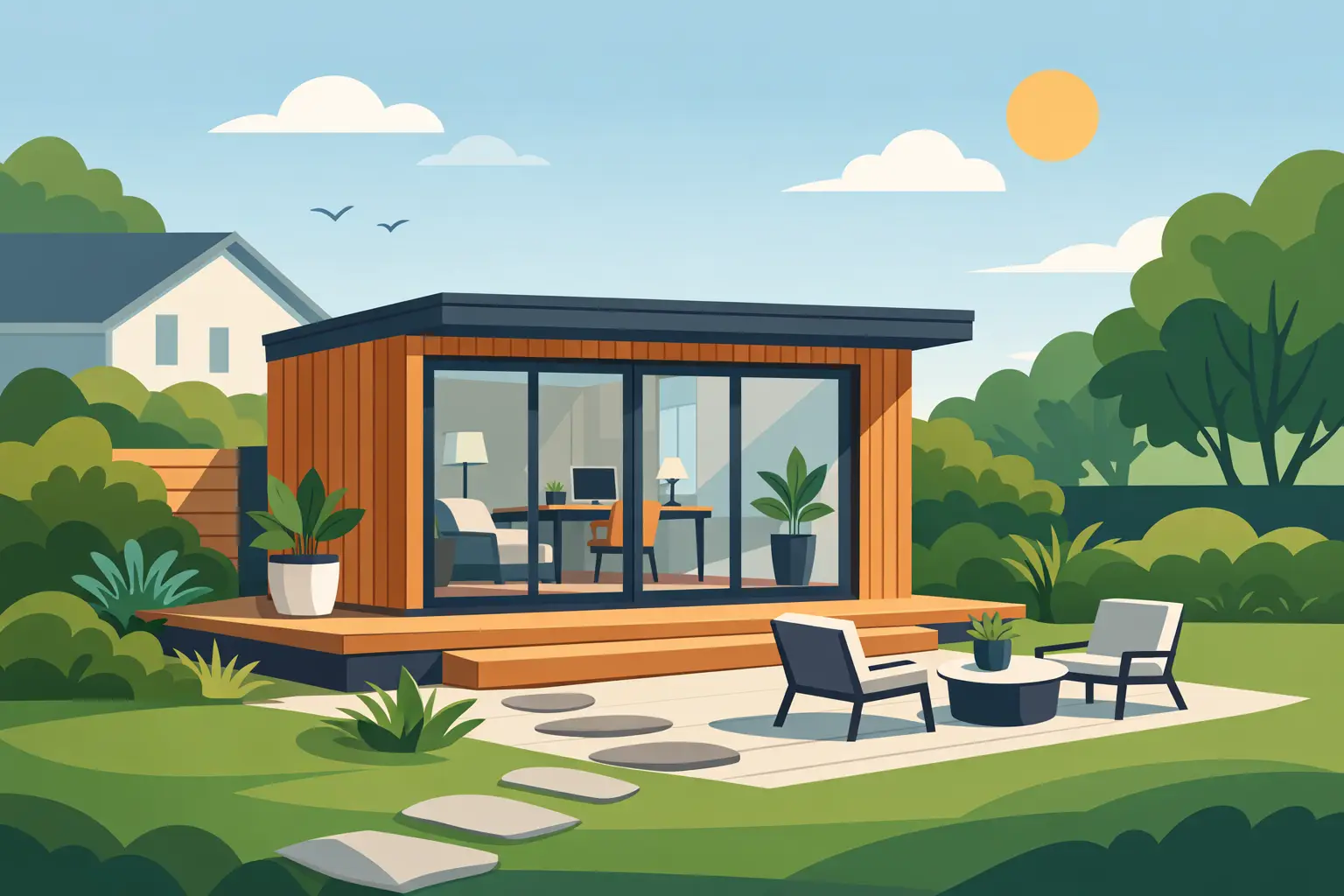
One spare bedroom turned office often becomes two compromises at once – a workspace that never feels fully separate, and a home that never quite switches off. That is why bespoke garden rooms have become such a practical choice for UK homeowners. They create extra space where it is needed most, without the mess, delay and upheaval that can come with a traditional extension.
A well-designed garden room is not just a box at the bottom of the garden. It can be a serious home office, a calm studio, a family room, a hobby space or somewhere to host guests in comfort. The difference with a bespoke approach is simple: the building is designed around how you want to live, not the other way round.
What makes bespoke garden rooms different?
Off-the-shelf buildings can work if your needs are straightforward and your garden is easy to plan around. But many homeowners are not dealing with a blank canvas. You may have an awkward plot, a specific use in mind, neighbours to consider, or a style of home that calls for something more considered.
Bespoke garden rooms allow you to choose the size, layout, position, glazing, doors and finish so the building feels like a natural extension of your property. That matters more than people often realise. A room that is the right width for a desk wall, the right height for a golf simulator, or the right shape for a sofa and media unit will be used far more often than a standard building that simply happens to fit.
There is also the visual side. A garden building should add to the look of your home, not compete with it. Tailored design helps the room sit comfortably within the space, whether you want a clean modern garden studio or something with a softer, more traditional feel.
Why homeowners choose bespoke garden rooms
For many buyers, the first driver is practical. They need more usable space, but moving house is expensive and extending a property can be disruptive. A garden room offers a smarter middle ground. It gives you a dedicated area for work, leisure or family use while keeping the main house calmer and better organised.
Working from home remains one of the biggest reasons people invest. A proper garden office creates physical separation between work and home life, which is hard to achieve when the dining table doubles as your desk. That separation can improve focus during the day and make it easier to switch off in the evening.
For families, flexibility is often the deciding factor. A building that starts as a playroom or teenage den can later become a gym, studio or guest space. Older homeowners may be looking at annex-style accommodation for a relative, or simply wanting extra room that is close to the house but still independent.
Then there is lifestyle. More people want their homes to work harder for them – not just as places to sleep and eat, but as places to exercise, create, entertain and relax. A bespoke garden room gives you space for that without asking you to give up the character of your main home.
Year-round use matters more than first impressions
A garden room can look impressive on a sunny afternoon and still disappoint in January. That is why build quality matters so much. If you want a space you can use throughout the year, insulation, roofing, doors, windows and structural materials all need to be considered properly.
This is where many cheaper garden buildings fall short. They may be fine for occasional summer use, but they are not always built for consistent comfort through the colder months. If your plan is to work in the room daily, use it as a hobby space in the evening, or accommodate guests, seasonal use will not be enough.
A properly specified garden room should feel comfortable in winter and usable in warm weather too. Good insulation and high-performance materials help regulate temperature, reduce draughts and create a more dependable internal environment. That makes the space far more valuable in real day-to-day life.
The case for low-maintenance materials
A beautiful building is only part of the story. Ownership should be straightforward as well. Traditional timber can look lovely, but it often asks for regular upkeep. Painting, staining and dealing with weathering may not seem like a major issue at first, yet over time it becomes another job to keep on top of.
For homeowners who want the look of timber without the ongoing maintenance, composite construction is a strong alternative. It offers a smart, contemporary finish with the warmth of natural wood styling, while avoiding many of the usual frustrations linked to rot, fading and constant treatment.
That is one of the reasons composite garden buildings are proving so popular. They suit buyers who want long-term value and a hassle-free ownership experience. If the goal is to gain extra space, not another weekend project, low-maintenance design makes a real difference.
Designing for how you will actually use the room
The best garden rooms start with purpose. Not a vague idea of needing extra space, but a clear sense of what the room needs to do on a normal Tuesday in November. That is when good design decisions become obvious.
If the room is for work, think about desk position, natural light, storage and privacy on video calls. Too much glazing can create glare, while too little can make the room feel enclosed. If it is for leisure, layout matters in a different way. A cinema room, gym, music room or snooker room will each need its own balance of open floor space, wall space and acoustic considerations.
Guest use changes the brief again. You may want more generous proportions, stronger separation from the main house, or facilities that make overnight stays more comfortable. Annex-style spaces need even more thought around access, planning and practical daily use.
A bespoke design process should help you weigh these trade-offs early, rather than discovering them after installation. Bigger is not always better, and more glass is not always more luxurious. The right solution is the one that suits your garden, your budget and the way you plan to use the room over time.
Planning, budget and long-term value
Many homeowners start by asking about price, which is fair enough. But the better question is what you are getting for your investment. A cheaper building may save money upfront, yet if it falls short on insulation, durability or finish, it can cost more in maintenance, repairs or disappointment.
Value comes from the combination of design, specification and lifespan. A room that works properly all year, complements the property and stays looking smart with minimal effort will usually prove the better investment. It is also more likely to hold its appeal if your needs change in future.
Planning is another area where it pays to get proper guidance. Some garden rooms can be installed under permitted development, while others may need permission depending on size, height, use and placement. This is especially relevant for annex-style buildings or more specialist spaces. A specialist supplier should be able to explain the likely route clearly and help you understand what applies to your project.
A space that earns its place
The strongest argument for a bespoke garden room is not that it adds another structure to your garden. It is that it gives your home more options without making everyday life more complicated. You gain a place to work properly, relax properly, host properly or simply spread out a little more comfortably.
For some households, that means fewer compromises in the main house. For others, it means finally creating the kind of lifestyle space they have been talking about for years. Either way, the appeal is the same: more room, more flexibility and far less disruption than a major building project.
At Composite Garden Studios, that thinking sits at the heart of the design approach – practical buildings that look good, perform well and stay easy to live with. If you are considering one for your own property, start with how you want the space to feel and function every day. The right garden room should not just fill a gap in the garden. It should make home life work better.