
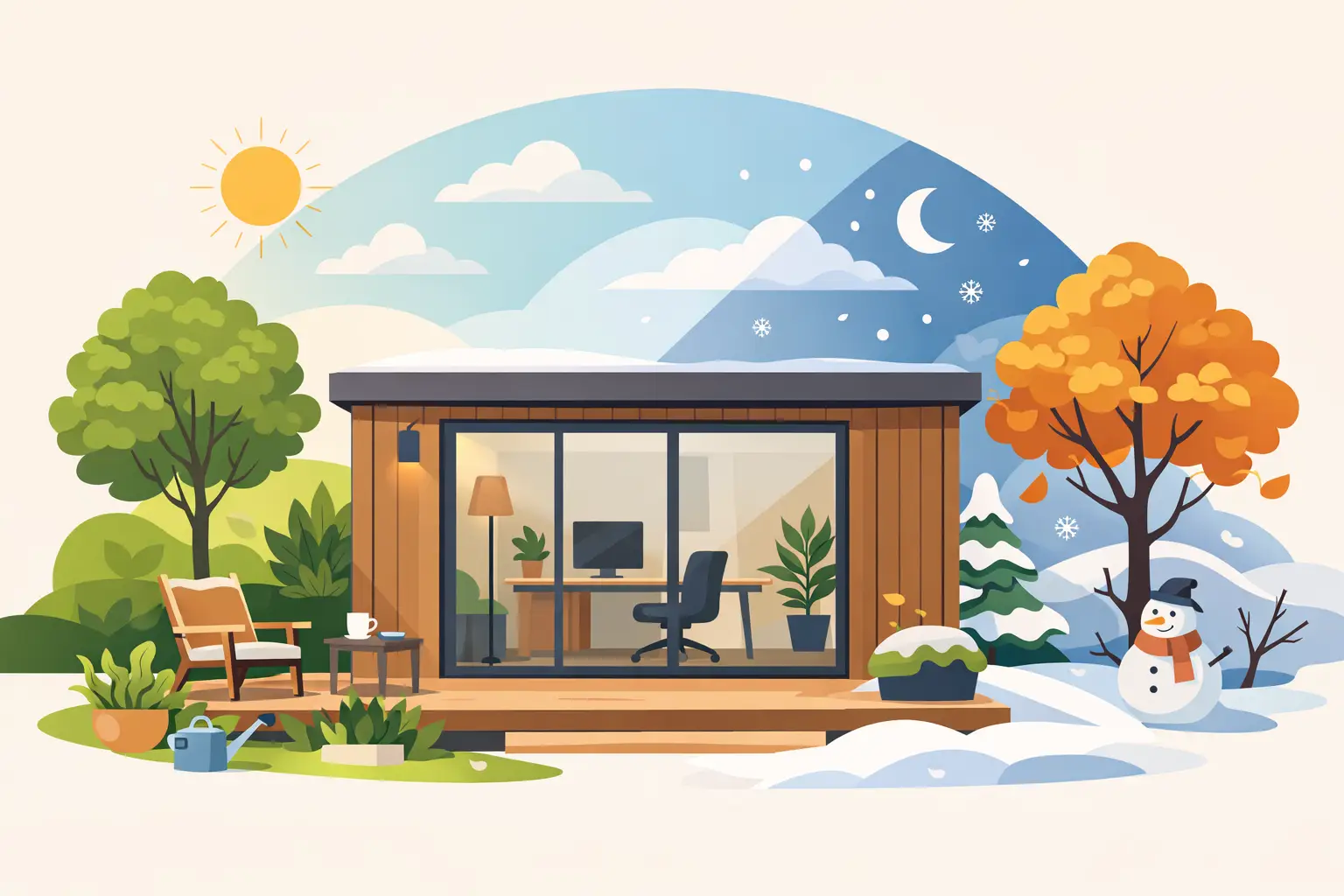
When the kitchen table has turned into a permanent desk and every video call competes with family life, garden offices start to make a lot of sense. They create real separation between work and home without the cost, mess and compromise of a full extension, and they do it in a way that can genuinely improve how your home works every day.
For many UK homeowners, the appeal is simple. You want extra space, but you do not want to lose a bedroom, live through major building work or invest in something that still leaves you short on privacy. A well-designed garden office gives you a dedicated place to focus, take calls and finish the day properly, then step back into the house without your work life following you into the evening.
Why garden offices have become a smart home upgrade
Working from home is no longer a temporary fix for many households. It is a long-term part of modern life, whether you are fully remote, splitting your week between home and the office, or running your own business. That changes what people need from their homes.
The spare room used to be enough. Now, it often is not. Bedrooms are needed for family, guests or storage. Open-plan living spaces can look great, but they are rarely ideal for concentration. Garden offices solve that problem by adding useful square footage in a way that feels separate, practical and valuable.
There is also a lifestyle benefit that goes beyond work. A garden building can give structure to your day. You leave the house, step into a space designed for focus, and come back when the working day is done. That physical boundary matters more than people expect. It can help with productivity, but it can also help with switching off.
What makes good garden offices worth the investment
Not all garden offices deliver the same experience. Some look the part in summer but feel cold, damp or underwhelming as soon as the weather changes. Others need regular upkeep that becomes tiresome very quickly. If you are investing in a garden room, it needs to work in real life, not just on a sunny afternoon.
Year-round comfort starts with the structure itself. Insulated walls, a well-performing roof, quality glazing and solid doors all make a noticeable difference. If the space cannot hold heat in winter and stay comfortable in warmer months, it will never feel like a proper office.
Materials matter just as much. Traditional timber can be attractive, but it often comes with a list of ongoing jobs attached to it. Painting, staining and dealing with weathering can turn a smart-looking building into a maintenance project. That is why more homeowners are looking at composite garden buildings. They offer the warm appearance of timber with far less effort over time, while standing up better to the demands of British weather.
A good garden office should also feel tailored to how you work. Window placement affects light and privacy. Door styles influence access and layout. The size of the room shapes whether it works as a simple desk space, a two-person office or a work-and-meeting setup. Bespoke design is not about adding complexity for the sake of it. It is about making sure the building actually suits your day-to-day life.
Choosing garden offices for your garden and routine
The best design depends on your garden, your work pattern and how you want the space to feel. A compact garden may suit a clean, space-efficient studio tucked neatly to one side. A larger plot opens up more options, from wider frontages to dual-use spaces that combine office work with storage or leisure.
Natural light is usually high on the list, and rightly so. Large windows and glazed doors can make a garden office feel bright and spacious, but balance is important. If your work involves lots of screen time or confidential calls, too much glazing in the wrong place can create glare and reduce privacy. Thoughtful positioning matters more than simply adding more glass.
Access is another practical point people often overlook at first. Think about the route from the house in winter, not just in July. Consider where power will go, how close the office should be to the main property, and whether you want the room to feel connected or more tucked away. There is no single right answer. Some homeowners want a short dash from the back door, while others prefer a little more distance to create a stronger divide between work and home.
Inside, the layout should support real use rather than just look tidy in photos. Built-in storage, enough wall space for desks, sensible placement of sockets and room for heating all help the office feel complete. If you see the space evolving over time, that should shape the design too. Today it might be a home office. In a few years, it could become a hobby room, studio or guest space.
The low-maintenance appeal of composite garden offices
One of the biggest selling points of composite garden offices is how little they ask of the homeowner once installed. That matters because most people want more usable space, not another item on the weekend job list.
Composite materials are designed to offer durability with far less upkeep than many traditional alternatives. There is no regular painting schedule to keep up with, no staining to maintain the finish and less worry about rot spoiling the look of the building over time. For busy households, that is a genuine benefit rather than a nice extra.
It also helps protect the long-term appearance of the building. A garden office should continue to look smart and feel like an asset to the property, not something that dates quickly or starts looking tired after a few seasons. For homeowners who care about kerb appeal and overall finish, that combination of durability and timber-style aesthetics is a strong advantage.
This is where a specialist approach makes a difference. Companies such as Composite Garden Studios focus on garden buildings that are built for hassle-free ownership, with materials and construction choices aimed at comfort, longevity and attractive design in one package.
Planning, budget and the details that shape the decision
For most buyers, the decision is not just about appearance. It is about whether the investment feels straightforward and worthwhile.
Planning permission is often one of the first concerns. Many garden offices can fall within permitted development, but it depends on factors such as size, height, location and intended use. That means early guidance is valuable. It helps avoid surprises and gives you confidence that the project is moving in the right direction from the start.
Budget is another area where it pays to look beyond the headline figure. A cheaper building can be more expensive in the long run if it lacks insulation, needs frequent maintenance or does not hold up well over time. A better question is what you are getting for the cost. Construction quality, included features, material performance and the level of design flexibility all shape overall value.
You should also think about the hidden costs of not creating the right space. If working from home continues to be difficult, that has a daily impact on productivity, comfort and family life. If you eventually outgrow the office because it was too small or too basic, you may end up paying twice. Getting the specification right at the start usually makes better financial sense.
Garden offices as part of a more flexible home
A garden office rarely stays just an office forever. That is part of its appeal. The same insulated, well-finished room that supports your working week can become a reading room, creative studio, home gym or quiet retreat later on. For families, that flexibility adds real value because household needs change.
That is why the best garden offices are designed as proper all-season rooms rather than temporary solutions. They should feel like a natural extension of the home, just with a bit more breathing space. If the design is right, the building does not only solve today’s problem. It gives you options for the future as well.
For homeowners weighing up whether to extend, convert or repurpose space indoors, that flexibility can tip the balance. A quality garden office gives you independence from the main house, avoids many of the frustrations of major renovation and creates space you will actually use.
The real question is not whether a garden office is a luxury. For many households now, it is one of the most practical ways to make home life work better – with more focus during the day, more calm in the evening and a space that keeps earning its place year after year.