
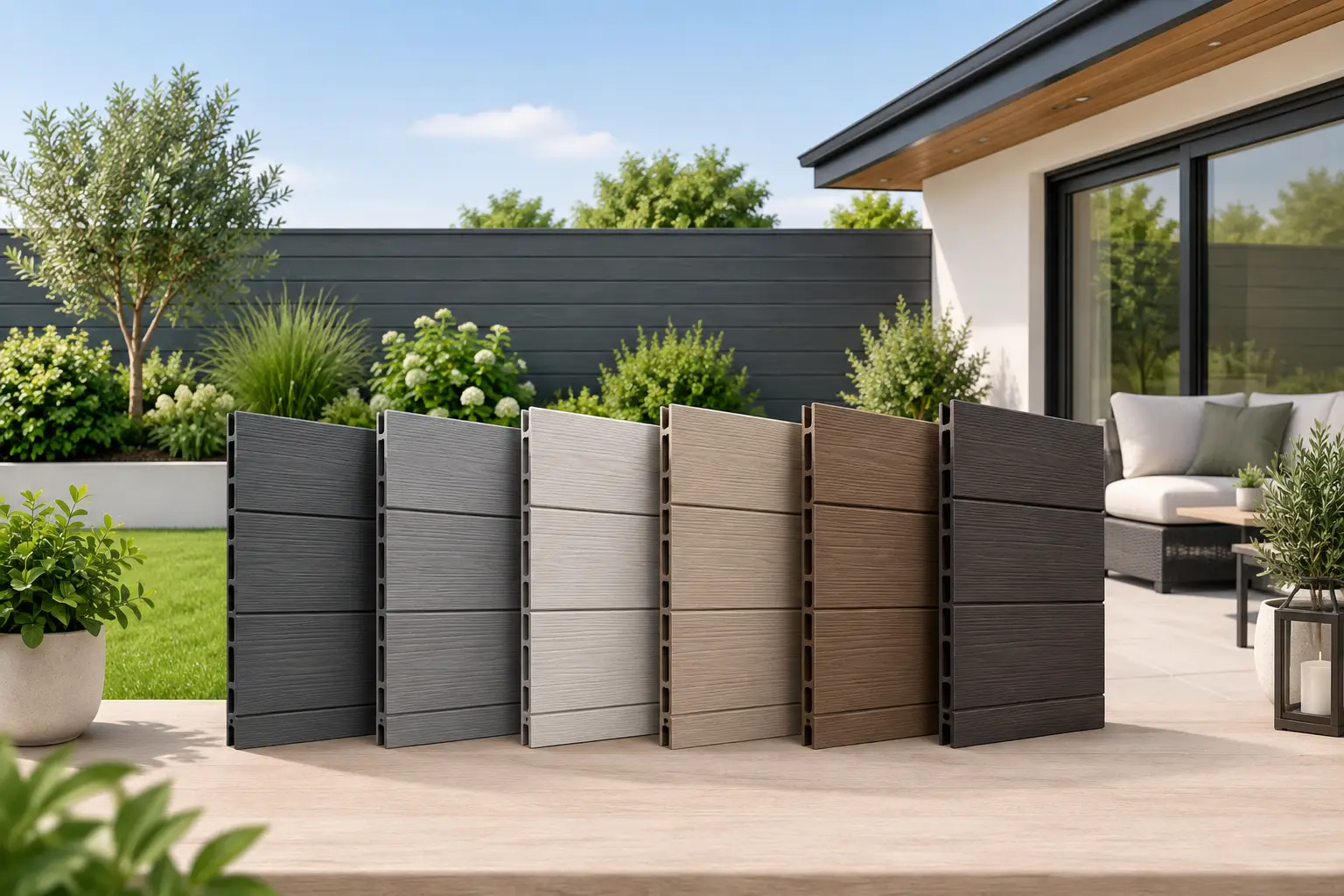
A garden room can look like a natural extension of your home or a completely separate retreat at the end of the garden. The difference often comes down to the cladding. Choosing the best composite garden cladding colours is not simply about picking the shade you like most on a screen. It is about how that colour works with your brickwork, boundary fencing, natural light and the way you want to use the space.
Composite cladding gives homeowners the timber-inspired finish they want without the regular painting, staining and worry of rotting associated with traditional timber. The right colour helps that low-maintenance finish feel considered from every angle, whether you are creating a garden office, gym, studio, annexe or entertainment room.
Start with the home, not the garden building
Your garden building should have its own character, but it should not feel disconnected from the property. Look first at the materials already closest to it: the colour of your house brick, window frames, patio paving, fencing and any retaining walls. These elements will still be there long after planting schemes and garden furniture have changed.
A red-brick home often suits charcoal, anthracite or warm brown composite cladding particularly well. The darker shades give a clean contrast to traditional brick and look sharp alongside black or grey doors and window frames. Homes with pale render, light stone or contemporary grey brick can carry almost any shade, although softer greys and natural oak-effect tones tend to create the most relaxed result.
There is no rule that says the cladding must match your home exactly. In fact, an exact match can look forced. Aim for a colour that shares the same warm or cool undertone instead. Warm brick and golden sandstone usually sit better with brown, teak or oak tones, while cool grey paving and modern aluminium frames suit slate, graphite and anthracite finishes.
The best composite garden cladding colours by style
The most suitable choice depends on the atmosphere you want the building to create. A garden office may benefit from a calm, professional exterior, while a family leisure room can take a warmer, more expressive finish.
Anthracite and charcoal for a contemporary statement
Anthracite is one of the most popular choices for modern garden rooms, and with good reason. It gives a crisp architectural look, works naturally with dark-framed glazing and provides a strong backdrop for greenery. Against silver birch, ornamental grasses and pale paving, it can make a compact building feel deliberate and premium rather than overlooked.
Charcoal and graphite offer a similar effect with slightly more softness. They are good options where pure black would feel too severe or where the garden receives strong afternoon sun. Dark cladding can show dust, pollen and water marks more readily than mid-tones, especially on sheltered elevations, but composite boards are straightforward to keep clean with occasional washing.
For homeowners planning a golf simulator room, gym or contemporary garden office, dark grey cladding paired with large windows often delivers a polished, purpose-built appearance.
Warm browns for a timber-inspired feel
Brown composite cladding remains a favourite for gardens where the aim is warmth rather than contrast. Rich walnut, coffee and teak-style shades sit comfortably beside timber fencing, brick patios and mature planting. They create the feeling of a traditional garden retreat while avoiding the cycle of sanding, staining and repainting that timber can demand.
A darker brown has practical appeal too. It is generally forgiving of everyday garden marks and helps a larger garden room settle into a leafy boundary. If your garden is full of evergreens, a warm brown finish can look especially natural throughout the year.
The trade-off is that very dark brown may appear almost black in shade. Order samples and view them against the intended location before making a final decision. A board that looks warm in a showroom may read differently beside cool grey paving or beneath a north-facing tree canopy.
Oak and lighter wood effects for a relaxed garden feel
Oak-effect and lighter natural wood shades bring brightness without looking stark. They suit Scandinavian-inspired gardens, pale stone patios and properties with cream render or lighter brickwork. They can also make a small garden room feel less imposing, particularly when it is close to the house or boundary.
Lighter composite cladding is a strong choice for a summer house, hobby room or guest space where a welcoming feel matters. Combined with black, grey or aluminium details, it offers a modern finish with enough warmth to avoid looking clinical.
Bear in mind that pale tones can show splashes of mud and marks from nearby planting more clearly. This is rarely a major concern with composite cladding, but a building next to a lawn used by children or pets may benefit from a medium oak or mid-brown tone instead of the lightest option.
Grey tones for flexibility
Mid-grey is often the safest all-round choice. It is contemporary but not overly dramatic, works with most homes and can adapt as your garden evolves. It looks equally at home beside porcelain paving, composite decking, timber fencing and traditional brickwork.
If you are unsure whether to go light or dark, a balanced grey can provide the answer. It does not absorb as much visual weight as anthracite, yet it still gives a smart contrast against planting. Grey is also a practical choice for a multi-purpose garden building that may begin life as a home office and later become a teenage den, studio or guest room.
Consider light, aspect and garden size
The same cladding colour can look noticeably different between a sunny south-facing garden and a shaded north-facing plot. Direct sunlight brings out warm undertones in brown and oak boards, while shade can make dark greys appear deeper and cooler.
In a small enclosed garden, very dark cladding can make a substantial building feel more prominent. That does not mean it should be avoided, particularly if you want a striking focal point, but it may be better balanced with wide glazing, lighter soffits or pale paving. In a larger garden, darker colours often help the building recede visually into mature foliage.
Also consider what you see from indoors. The garden room will become part of the view from your kitchen, lounge or bedroom. A colour that works from the patio but jars when framed by your main windows may not be the right long-term choice.
Match cladding to windows, doors and roof details
Cladding should never be chosen in isolation. Window and door frames are typically the strongest visual line on a garden building, so their colour has a major effect on the finished design. Anthracite frames are highly versatile and can be paired with charcoal cladding for a coordinated look, or with oak-effect boards for warmer contrast.
Black frames give definition to lighter cladding, while white frames can make a building look fresher and more traditional. For a more refined finish, keep the roof trims, fascias and guttering within the same colour family as the doors and windows. Too many competing finishes can make even a well-built garden room appear busier than it needs to be.
At Composite Garden Studios, bespoke design means the exterior can be planned as a complete composition rather than a collection of separate choices. That matters when you are investing in a space designed for year-round use.
Do not choose from a digital image alone
Online images are useful for narrowing down your favourites, but they cannot show how a texture, grain pattern or colour variation will look in your own garden. Composite cladding can appear lighter in bright sunshine, darker after rain and different again beside existing materials.
Ask to see physical samples where possible. Place them against your brickwork, patio and fence at different times of day. View them from inside the house as well as from the garden. This small step can prevent a colour decision that looks right initially but feels out of place once the building is installed.
Think beyond current trends, too. Anthracite remains a strong modern choice, but the best colour is the one you will still enjoy after planting has matured, furniture has changed and your garden room has taken on a new purpose.
A well-chosen composite cladding colour should make your garden building feel settled from the first day: practical enough for everyday life, attractive enough to enjoy looking at, and low-maintenance enough to leave your weekends for the space itself.