
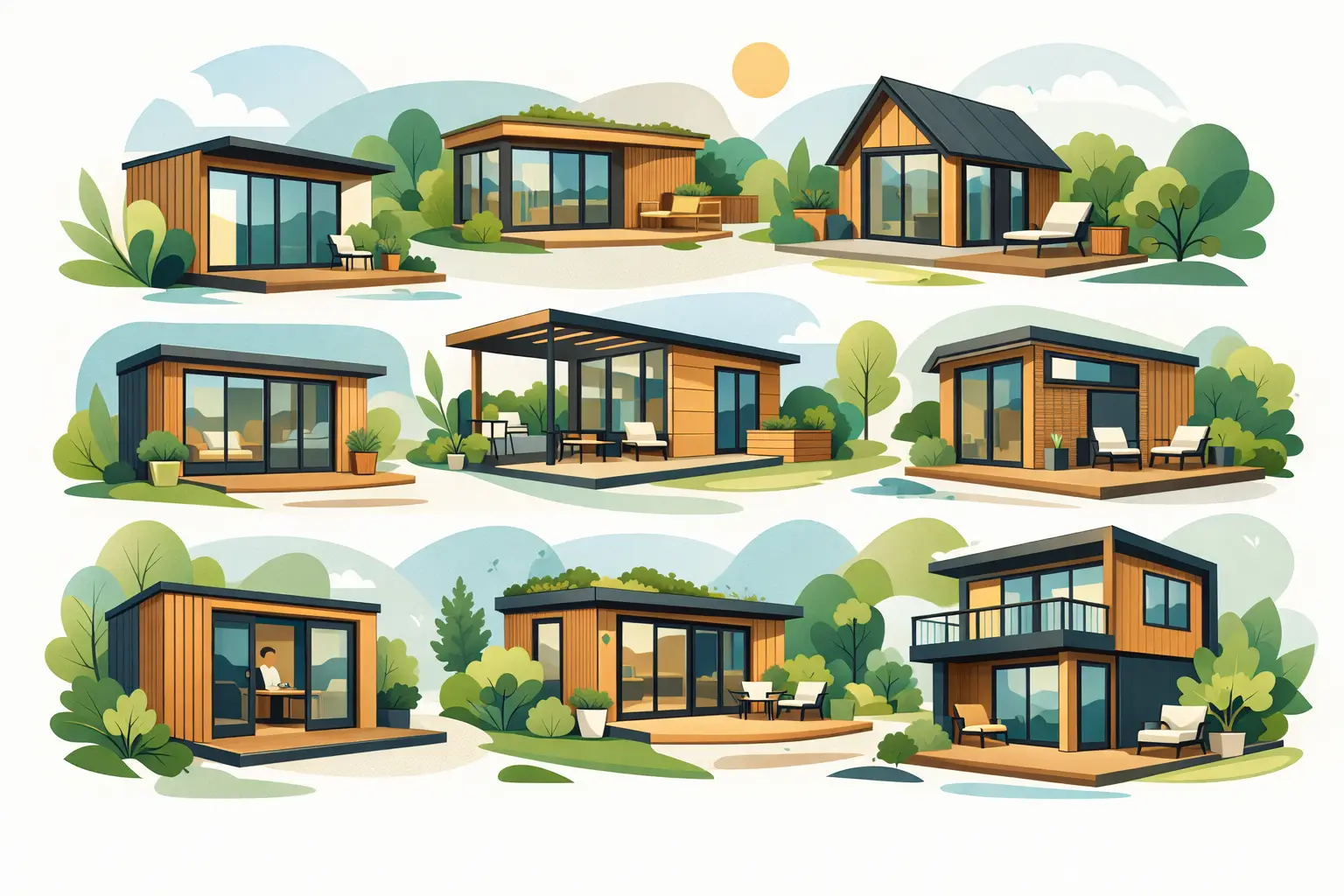
A spare bedroom works until the video calls get louder, the children get older, or your idea of downtime starts competing with the washing basket. That is usually the point when homeowners start searching for bespoke composite garden studio ideas – not for novelty, but for a space that genuinely solves a problem without the mess and cost of a full extension.
The best garden studios do more than add square footage. They give you a room with a clear purpose, proper comfort in every season, and a finish that still looks smart without demanding constant upkeep. That is where composite construction changes the conversation. You get the warmth of a timber-style appearance, but without the usual cycle of painting, staining and worrying about rot.
Why bespoke composite garden studio ideas work so well
A bespoke studio starts with how you live now, not with a fixed shed shape and a compromise. If one household needs a quiet office with built-in storage and another wants a leisure room with wide doors opening onto a patio, the design should reflect that from day one.
Composite materials make that flexibility easier to live with long term. For many UK homeowners, the appeal is straightforward. You want a garden building that keeps its looks, stays comfortable all year, and does not become another maintenance job on the list. Insulated walls, quality windows and doors, and high-performance roofing matter just as much as the layout because they determine whether the room is useful in February as well as July.
There is also a visual advantage. A bespoke composite garden studio can be designed to complement the house rather than look like an afterthought at the end of the lawn. Clean lines, timber-effect finishes and carefully chosen glazing make the building feel like a natural extension of the property.
10 bespoke composite garden studio ideas for modern living
1. The focused garden office
This remains the most popular choice for good reason. A dedicated office in the garden creates a proper boundary between home life and work, which is difficult to achieve when your desk sits in a bedroom or corner of the dining room.
The bespoke part matters here. Some people need a simple desk setup with strong natural light. Others need room for two workstations, fitted shelving, or a layout that keeps screens away from glare. If your working day includes client calls, acoustic performance and reliable year-round insulation become just as important as appearance.
2. A creative studio with controlled light
For artists, designers, makers and photographers, space is only useful if it suits the way you work. That might mean prioritising larger windows for daylight, or doing the opposite and choosing more controlled glazing so the room works better for editing, filming or detailed craft work.
This is where bespoke design earns its keep. You can think about wall space, storage, floor durability and how materials will cope with regular use. A good studio should support concentration, not force constant rearranging.
3. The family room that frees up the house
Sometimes the smartest idea is not highly specialised at all. A flexible family room in the garden can take pressure off the main house and become the place for teenagers, gaming, film nights or simply somewhere quieter to spread out.
This option works best when the design avoids feeling temporary. Good insulation, generous glazing and a finish that feels as considered as any interior room help the building become part of daily life rather than a novelty used for one summer.
4. A home gym you will actually use
Commuting to a gym you rarely enjoy is often the reason memberships go to waste. A garden gym removes that friction. The room can be designed around the equipment you use, whether that is cardio machines, free weights, a yoga setup or a mix of all three.
The details are worth planning early. Ceiling height, flooring, ventilation and privacy all affect how the space performs. If the building is too small or badly arranged, it will quickly feel cramped. If it is designed properly, it becomes one of the most practical investments you can make in your routine.
5. A garden bar or entertainment room
For homeowners who enjoy hosting, a dedicated leisure space can transform how the garden is used. This might be a sophisticated bar area, a games room, or a snug for evening entertaining that keeps noise and clutter out of the main house.
The trade-off is that this type of studio should still feel useful outside party season. The best designs give the room more than one role. A bar with lounge seating, storage and heating can just as easily become a quiet retreat in winter or an overflow room when friends stay over.
6. A cinema or gaming den
If your priority is escapism, a studio built for sound, comfort and screen viewing can deliver a far better experience than trying to squeeze the same setup into a busy lounge. Smaller windows or carefully placed glazing often work better here than a fully glazed front.
This is a good example of why one-size-fits-all garden buildings can fall short. What looks ideal in a brochure may not suit your intended use. Bespoke design lets you prioritise the features that matter for the room you actually want.
7. A wellness room for slower living
Not every garden building needs to be high energy. A wellness room can be designed as a space for yoga, meditation, reading or treatments, giving you somewhere calm and separate from the pace of the house.
In practical terms, simplicity often works best. A clean interior, soft natural light and uncluttered layout can make the room feel more restorative. Composite exteriors are especially attractive here because they keep the outside looking smart with very little effort, which suits the low-stress purpose of the space.
8. A guest suite or granny annexe-style space
When family visits become longer stays, or when multigenerational living starts to make sense, a garden room can provide privacy and independence without requiring a full house move. Depending on the intended use, this kind of project needs much more careful planning around layout, access, bathroom or kitchenette requirements, and any permissions that may apply.
It is not the sort of space to rush. But when designed properly, it can add genuine versatility to a property and make day-to-day family life much easier. Comfort, insulation and quality finishes are essential here because the building needs to feel like real living space, not an occasional outbuilding.
9. A hobby room with proper storage
Model making, sewing, music practice, collecting, crafting – hobbies have a way of taking over spare rooms and dining tables. A dedicated garden studio lets you keep equipment organised and projects set up without affecting the rest of the house.
The key is to build around the hobby rather than just naming the room after it. Think about storage, work surfaces, lighting and whether the space may evolve over time. Many buyers start with one clear use in mind, then appreciate having enough flexibility for the room to adapt later.
10. A mixed-use studio that changes with life
For many households, the most sensible answer is a studio that can shift function over the years. It might begin as an office, become a teenage hangout, and later turn into a hobby room or guest space. That kind of flexibility is often more valuable than designing for a very narrow use.
The trick is to keep the structure and layout broad enough to support change. Balanced window placement, good storage options and a comfortable all-season specification give you more room to adapt without major alterations.
How to choose the right bespoke composite garden studio idea
The strongest designs usually start with a simple question: what problem should this building solve? If the answer is vague, the project can become overcomplicated. If the answer is clear, the decisions get easier.
Size should follow use, not guesswork. A compact office can work brilliantly, while a gym or entertainment space may need far more room than expected. It is also worth thinking about how the studio sits within the garden. A building that looks impressive on paper can dominate a smaller plot if its position and proportions are not handled carefully.
Budget needs the same honest approach. Bespoke projects vary because finishes, glazing, internal configuration and intended use all influence the final cost. It often makes sense to invest more in the features that affect everyday comfort and long-term durability, rather than spending purely on visual extras.
Bespoke composite garden studio ideas that last beyond first impressions
A garden studio should not just photograph well on installation day. It should still feel like a smart decision years later when the weather turns, your needs change, and you have no interest in sanding, repainting or repairing tired timber.
That is why low-maintenance composite construction appeals to so many homeowners. It offers the visual character people want from a premium outdoor building, with far less of the upkeep they do not. When that material choice is paired with a bespoke design, the result is a space that works harder for the household and asks less in return.
If you are collecting ideas, start with the life you want the room to support rather than the label on the door. The right studio tends to reveal itself once you focus on how you want to work, relax, host or make space for family.