
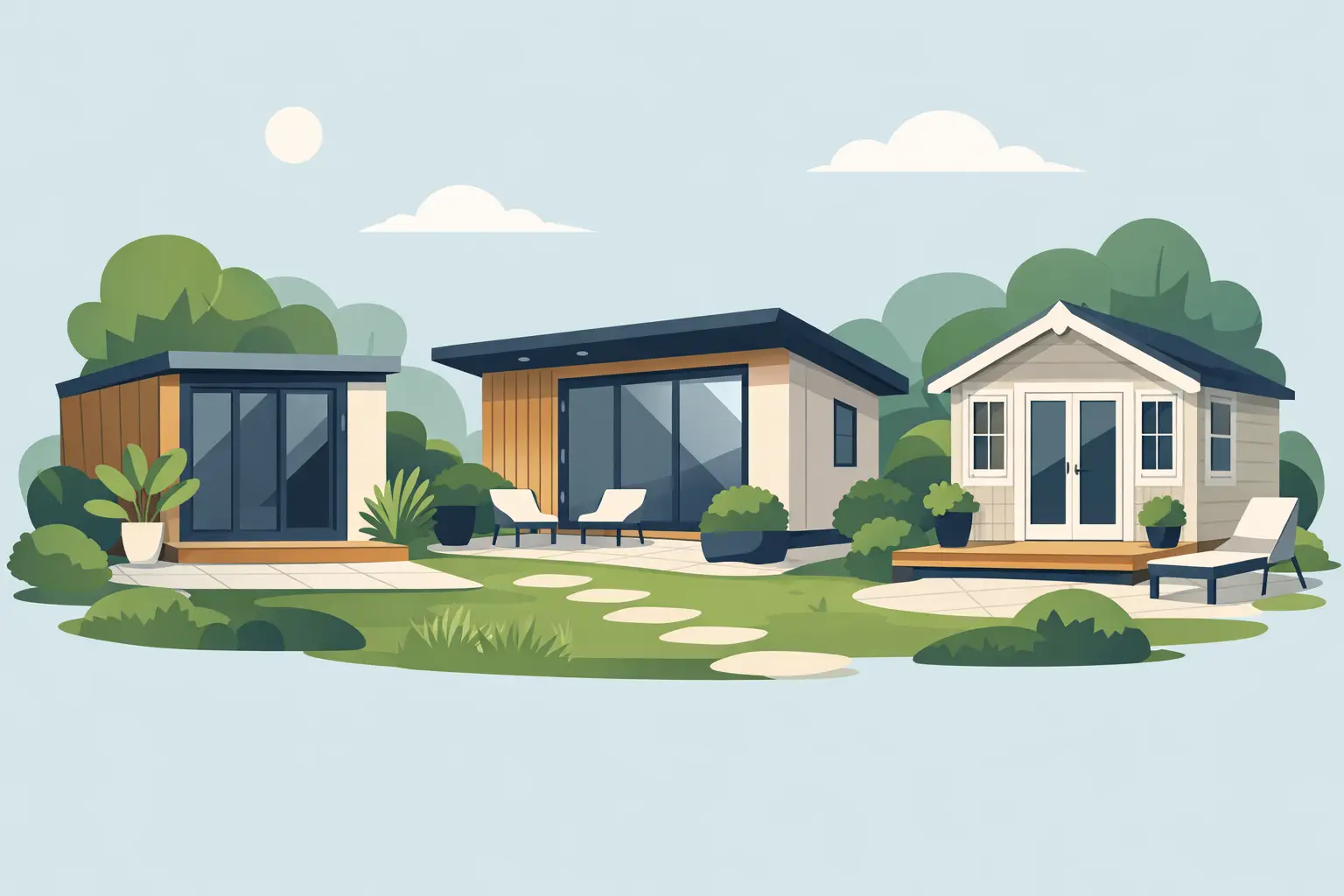
If you have ever spent a spring weekend repainting a timber shed or replacing warped boards after a wet winter, you already know why demand for the best low maintenance garden buildings has grown so quickly. Homeowners want extra space, but they do not want another job on the to-do list. The right garden building should add comfort, style and practicality to your home without asking for constant upkeep in return.
That is where material choice matters more than most people expect. A garden room can look fantastic on day one, but if it needs staining, patch repairs and ongoing treatment to stay that way, the long-term appeal starts to wear off. For most UK households, low maintenance means a building that stands up to rain, temperature changes and everyday use while still looking smart year after year.
What makes the best low maintenance garden buildings?
Low maintenance is not just about avoiding a tin of paint every summer. It is really about reducing ownership hassle across the whole structure. That includes the exterior cladding, the roof, the insulation, the windows and doors, and even how the building copes with damp conditions over time.
In practice, the best low maintenance garden buildings are usually those built with durable modern materials rather than traditional softwood throughout. Composite cladding is a strong example because it is designed to offer the look of timber without the usual issues of rotting, splitting or regular retreatment. Pair that with insulated wall systems and quality roofing, and you get a building that is far easier to live with through all seasons.
There is a trade-off, of course. Lower maintenance options often cost more upfront than very basic timber structures. But for many buyers, that extra investment pays for itself in saved time, reduced repair work and better long-term appearance.
Why composite garden buildings stand out
For homeowners comparing different options, composite garden buildings tend to sit in the sweet spot between appearance and practicality. They keep the warm, natural style people want in a garden setting, but they remove many of the weak points associated with traditional timber buildings.
That matters in the UK climate. Wind, rain and fluctuating temperatures are hard on external structures. Timber can still be a good material when it is well specified and properly maintained, but it does need more attention. Composite cladding is specifically appealing because it does not demand the same cycle of painting, staining and protection to remain presentable.
This is why bespoke composite garden rooms, offices and studios have become such a popular choice. They suit modern family life because they are built for regular use, not just occasional storage. If you are using the space as a home office, gym, studio or entertaining room, the convenience of hassle-free ownership becomes a big part of the value.
Best low maintenance garden buildings for different uses
The best option depends on how you plan to use the space. A garden office has different demands from a summer house, and a granny annexe needs more consideration than a hobby room.
Garden offices
For working from home, low maintenance matters because the building becomes part of your daily routine. You want a space that feels professional, comfortable and ready to use all year, not one that starts looking tired after a couple of wet winters. Insulated composite garden offices make sense here because they combine clean external styling with practical year-round performance.
Good glazing, solid insulation and durable finishes are worth prioritising. A cheaper building may seem attractive at first, but if it is too cold in January and too hot in July, or if the exterior needs constant upkeep, it stops feeling like a smart investment.
Garden studios and leisure rooms
Studios for fitness, music, art or relaxation should feel like an escape, not a maintenance project. This is where design flexibility becomes important. Larger glazing panels, tailored layouts and timber-style composite finishes can create a premium feel without adding extra maintenance burden.
For specialist uses such as golf simulator rooms or snooker rooms, durability matters even more. These are often high-use spaces, so the building needs to feel permanent and dependable. A robust insulated shell with low-maintenance external materials gives that sense of quality.
Summer houses
A summer house can still be low maintenance, but specification matters. Many entry-level options are designed for occasional warm-weather use and can require more ongoing care. If you want a summer house that stays attractive and usable beyond a few sunny weekends, it is worth looking beyond the basic timber models and towards better insulated, more durable alternatives.
Granny annexes and multigenerational spaces
When a garden building is intended for a parent, older relative or long-term guest use, convenience becomes non-negotiable. Nobody wants to worry about exterior degradation, draughts or recurring maintenance on a building that supports everyday living. In these cases, bespoke design, insulation standards and low-maintenance materials should be considered essential rather than optional.
Materials to avoid if low maintenance is the goal
Not every garden building marketed as practical is truly low effort over the years. Thin untreated timber tends to be the biggest red flag. It may offer a lower purchase price, but it often brings a higher maintenance cycle and a shorter lifespan if not looked after carefully.
Felt roofs can also be a weaker point on some lower-cost buildings. They are common enough, but performance varies and they may need more attention over time than higher-spec roofing systems. Likewise, cheap windows and doors can create issues with weather resistance, heat retention and general durability.
This does not mean every timber building is a poor choice. It means you need to be realistic. If your goal is minimum upkeep, then traditional materials with high care requirements are unlikely to be the best fit.
The features worth paying for
When comparing the best low maintenance garden buildings, a few features genuinely make a difference. Insulation is one of them. A properly insulated building is more comfortable, more efficient and better protected against condensation-related issues. It also gives you a space you can use all year rather than only in mild weather.
High-performance roofing is another. A quality roof does a great deal of hidden work, protecting the structure and reducing future maintenance risks. The same goes for well-made doors and windows. They affect security, energy efficiency and how premium the building feels in daily use.
Then there is finish. Timber-style composite exteriors are especially appealing because they deliver the look many homeowners want without tying them into regular painting or staining. For buyers who care about kerb appeal as much as practicality, that balance is hard to beat.
Bespoke vs off-the-shelf
If you are deciding between a standard kit building and a bespoke garden room, maintenance should be part of the comparison, not just size and price. Off-the-shelf options can work for straightforward needs, but they often come with compromises in materials, insulation and layout.
A bespoke building gives you more control over how the space performs in real life. You can choose the right configuration, glazing, access and finish for the way you will actually use it. That tends to produce a better long-term result, particularly when the goal is a proper extension of the home rather than a temporary garden feature.
For many homeowners, this is the point where a specialist supplier adds real value. A company such as Composite Garden Studios focuses on buildings designed around low-maintenance ownership, year-round use and tailored layouts, which is exactly what many buyers are really looking for.
How to choose well without overbuying
It is easy to assume that the most expensive option is automatically the best one, but that is not always true. The right choice depends on usage. If you only want a quiet reading room for occasional use, you may not need the same specification as someone creating a daily office or annexe.
Still, there are a few areas where cutting corners tends to backfire. Cladding quality, insulation, roofing and glazing all affect long-term satisfaction. Saving money on those elements often leads to more maintenance, more discomfort and a shorter useful lifespan.
A good question to ask is simple: will this building still look good and work well in five or ten years without becoming another household chore? If the answer feels uncertain, it may not be as low maintenance as it first appears.
The best garden buildings are the ones that quietly do their job. They give you extra room to work, relax, host or support family life, and they keep doing it without demanding regular repairs or seasonal treatment. When you choose durable materials, strong insulation and a design that suits the way you live, low maintenance stops being a sales phrase and starts feeling like a very sensible investment.