
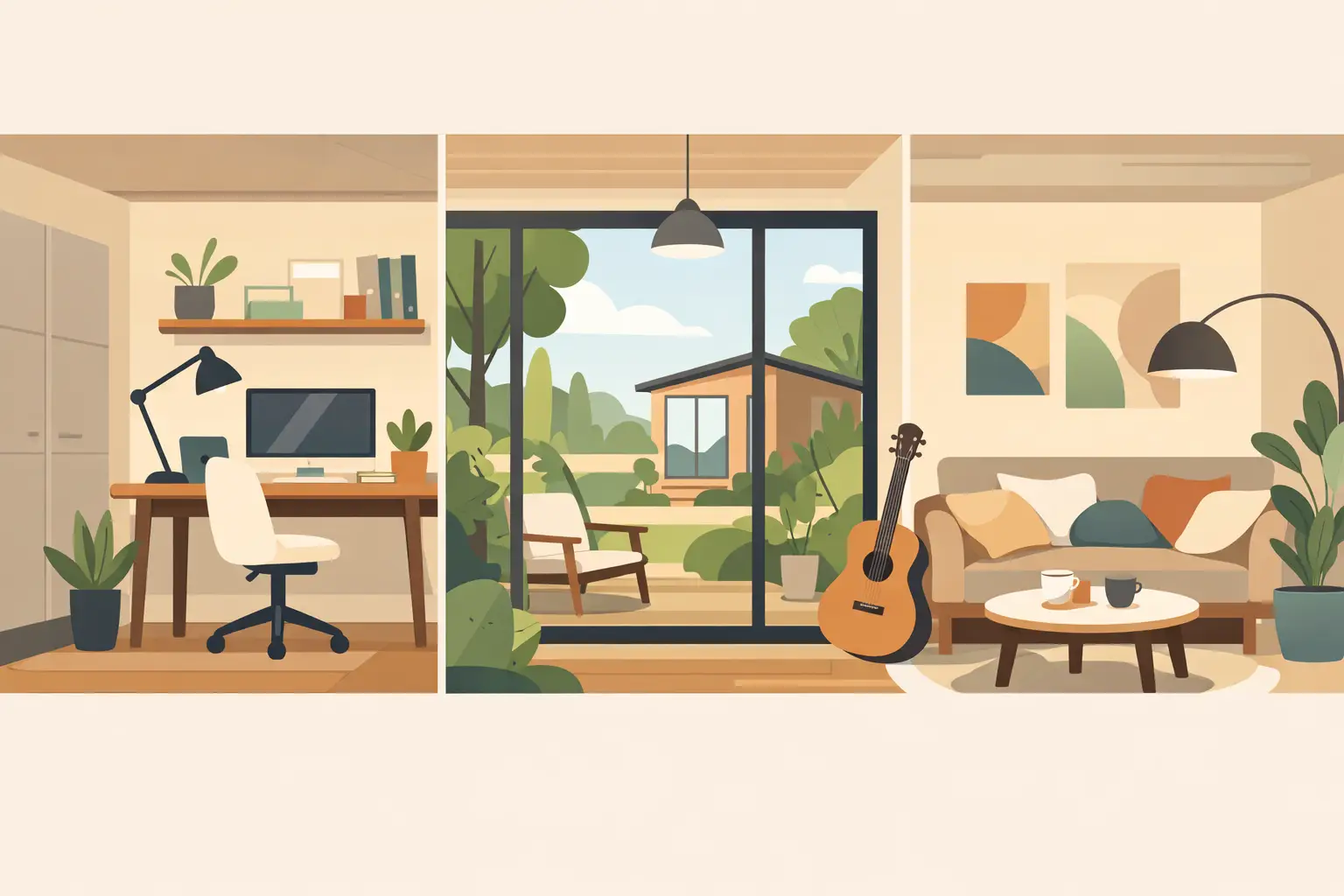
A garden studio earns its place when it feels like a proper room, not a garden shed with a desk inside. The best garden studio interior ideas start with how you want to use the space at 8am on a cold January morning, as well as on a bright summer afternoon. Comfort, storage, lighting and layout all matter just as much as the exterior finish.
Whether you are creating a focused home office, a family hobby room or a space to host friends, the interior should work hard without feeling crowded. A bespoke, insulated garden building gives you a strong starting point. The choices inside are what make it feel personal and practical for years to come.
Garden studio interior ideas for every purpose
Start by deciding the room’s main job. A studio used for video calls needs a different layout from a gym, music room or creative workshop. It is tempting to design for every possible future use, but a room with one clear primary purpose is usually more enjoyable day to day.
That said, flexible details are worthwhile. Built-in storage, adaptable lighting and furniture that can be moved easily allow the room to evolve without needing a complete refit. Think of the studio as an extension of your home, with the freedom to give it its own character.
1. Create a view-led workspace
For a garden office, position the desk so you can look towards the garden rather than directly at a blank wall. Natural light and a green outlook can make a substantial difference to how enjoyable a working day feels. Avoid placing a screen where sunlight will fall directly behind or in front of it, as glare quickly becomes frustrating.
A desk set slightly away from the window often gives the best balance. Add a supportive chair, discreet cable management and a small drawer unit so the room remains calm when work finishes. If you regularly take calls, allow a clear background wall behind you rather than a busy shelving display.
2. Zone a larger studio without adding walls
An open-plan garden studio can serve two purposes without becoming cluttered. Use a rug to define a seating area, place a freestanding bookcase between zones, or use lighting to distinguish a work corner from a relaxation space. These simple changes give each area a purpose while retaining the generous feel of one room.
For example, a garden office with a compact sofa and coffee table can become a useful reading room or a quiet place to welcome clients. The key is to keep circulation clear from the door to the main windows. A room feels larger when you are not constantly walking around furniture.
3. Make storage part of the design
Garden rooms are often chosen to reduce pressure on the main house, so storage should be planned from the beginning. A single tall cupboard can hide printers, exercise equipment, art supplies or household items far more effectively than several small units. Choose closed storage for anything visually busy, then keep open shelves for a few favourite books, plants or framed pieces.
Made-to-measure cabinetry is particularly useful where the studio has an awkward corner or a specific use. In a hobby studio, a worktop with cupboards below keeps tools within reach. In a garden bar or entertaining space, lower units can house glasses, drinks and serving essentials without taking over the room.
4. Use layered lighting, not one central fitting
A central ceiling light alone can make even a beautifully finished studio feel flat. Combine general lighting with task lighting and softer accent lighting. Downlights may suit a clean, contemporary office, while a pendant above a table adds warmth to a creative or social space.
A desk lamp provides targeted light for work, while floor lamps or wall lights make the room feel inviting after dark. Warm white lighting is usually more relaxing for leisure spaces. For detailed work, choose brighter task lighting so you are not straining your eyes on darker days.
5. Choose a colour scheme that suits the room’s light
Garden studios often benefit from generous glazing, but the direction the building faces still affects the interior. A north-facing room can feel cooler, so warmer neutrals, soft clay tones and natural timber details can add welcome warmth. A south-facing room may handle cooler greens, greys or blues well, especially if the space receives strong sunlight.
Do not feel obliged to keep every wall white. One deeper feature wall behind a desk, sofa or media unit can add depth without making a compact studio feel enclosed. The best choice depends on the amount of daylight, the flooring colour and whether the studio is intended to feel energising or restful.
6. Bring in texture through finishes and fabrics
Composite garden buildings offer the look of timber outdoors with the benefit of hassle-free, low-maintenance ownership. Inside, you can continue that warm, natural feel with textured furnishings rather than relying on lots of decorative items. A woven blind, upholstered chair, wool-effect rug or linen-look curtains can soften the clean lines of a modern studio.
For rooms used year-round, choose materials that are easy to care for. Washable covers, durable rugs and hardwearing flooring make sense for family spaces, gyms and rooms where muddy shoes may occasionally appear. A polished look should still be practical enough for everyday life.
7. Treat acoustics as a comfort feature
A garden studio can be wonderfully quiet, but hard surfaces such as glass, timber-effect flooring and plastered walls can create echo. This is especially noticeable in offices used for calls, music rooms and entertainment spaces. Rugs, curtains, upholstered seating and fabric wall panels can all help absorb sound.
You do not need to make the room look like a recording booth. Even a large rug, a bookcase and a few soft furnishings can noticeably improve the sound. If the studio is intended for instruments, gaming or a golf simulator, discuss acoustic requirements early so the building and interior can be planned together.
8. Add a compact hospitality corner
A small refreshment station makes a studio much more self-sufficient. This could be as simple as a slim console with a kettle, mugs and a tray, or a more developed unit with a worktop, cupboards and under-counter fridge. It is particularly useful in a garden office, guest space or leisure room where regular trips back to the house interrupt the experience.
Keep proportions sensible. A hospitality corner should support the room’s main use, not dominate it. Allow worktop space for preparing a drink and choose storage that keeps supplies out of sight.
9. Build a wellness room around calm, not clutter
For a yoga room, treatment space or private retreat, less is usually more. Keep furniture low and limited, use dimmable lighting and leave enough open floor space to move comfortably. A full-length mirror may be useful for exercise, but consider placing it where it can be covered or avoided when the room is being used for relaxation.
Natural textures, a restrained colour palette and one or two larger plants can make the space feel settled. Real plants need enough light and regular care, so high-quality artificial greenery can be a sensible alternative in a studio that is not used daily.
10. Design the wall behind the screen
A media wall can turn a garden studio into a flexible entertaining room, games room or snug. Rather than simply mounting a television on a plain wall, use fitted cabinetry to conceal cables and provide storage for consoles, speakers and board games. A darker wall colour behind the screen can also reduce reflections and make viewing more comfortable.
For a multi-use studio, consider a projector instead of a permanent television. It keeps the wall free when the room is used for work or hobbies, though it does require careful planning for blackout blinds and seating position.
11. Keep heating and ventilation unobstructed
A well-insulated garden studio is designed for all-season use, but the interior layout still needs to support airflow. Do not push large furniture directly in front of heaters or block opening windows with shelving. In a compact room, this can affect both comfort and the feeling of space.
Plan where coats, gym bags and wet footwear will go before they become a pile by the door. A small entrance bench with hooks or a narrow cupboard keeps the main area organised. It is a modest detail that makes a studio feel far more considered.
12. Give the room a connection to the garden
The studio should feel separate enough to offer a change of scene, while still belonging to its setting. Frame the view with a comfortable chair, match internal accent colours to planting outside, or create a small patio seating area directly beyond the doors. This extends the usable space in warmer weather and makes the building feel larger.
Avoid filling every window ledge with objects. Let the garden do some of the decorative work. Seasonal views, changing light and mature planting bring character that cannot be replicated with accessories.
Plan the interior before the building is finalised
The most successful garden studio interiors are planned alongside the building itself. Decide where desks, gym equipment, storage and screens will sit before choosing window and door positions. This prevents the common frustration of having beautiful glazing exactly where a tall cupboard or television needs to go.
It is also worth considering power points, internet access, lighting controls and whether you need extra wall reinforcement for shelves or equipment. Composite Garden Studios can help homeowners tailor a garden building around the way they actually intend to live, work and relax in it.
Choose the ideas that suit your routine rather than copying a showroom scheme. When the layout is useful, the finishes are easy to maintain and the room feels comfortable in every season, your garden studio becomes the place you naturally want to spend more time.