
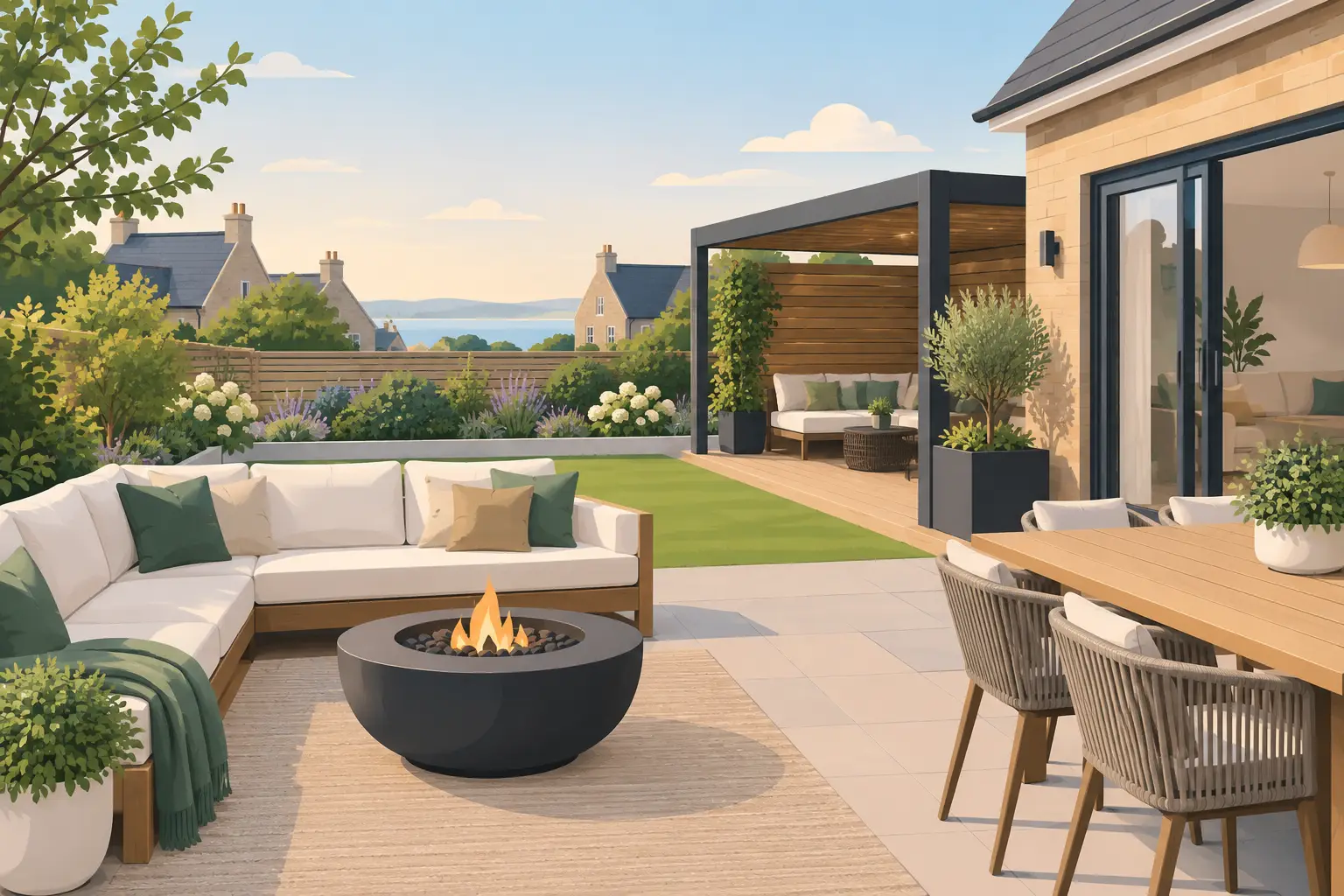
A garden no longer needs to be somewhere you only use for a few warm weekends each year. The strongest outdoor living space trends are about making the garden feel like a genuine extension of the home: comfortable, purposeful and ready to use in every season. For UK homeowners, that means choosing spaces and materials that stand up to rain, changing temperatures and busy family life without demanding constant upkeep.
Whether you want a quiet place to work, a room for guests, somewhere to entertain or a dedicated hobby space, the focus has shifted from simply adding a shed or summer house to creating a tailored garden building that earns its place all year round.
Outdoor living space trends are becoming more purposeful
The biggest change is that garden spaces are being designed around how people actually live. Rather than one open area trying to do everything, homeowners are creating defined zones for work, relaxation, dining and play. A garden office can protect the working day from household distractions, while a separate studio or leisure room gives the family more room to switch off.
This is particularly appealing when moving home or building a conventional extension feels expensive, disruptive or unnecessary. A well-designed garden room can add valuable usable space without taking over the main house. It also gives that space a clear identity. When you close the door on a garden office at the end of the day, work stays outside the home rather than following you into the kitchen or lounge.
The right use depends on your household. A professional working remotely may prioritise desks, power points and reliable insulation. A family may prefer a flexible room that works as a games room now and a teenage den later. For others, a garden annexe can support multigenerational living while preserving privacy for everyone.
Year-round comfort is no longer optional
British gardens have always needed more than fair-weather furniture. Homeowners are increasingly looking for buildings that stay warm in winter, comfortable in summer and dry through the wetter months. This has made insulated walls, quality windows and doors, and high-performance roofing central to modern garden design.
A seasonal timber summer house may suit occasional use, but it can become limiting if you need to work, exercise or host guests throughout the year. A fully insulated garden studio is a more considered investment when comfort matters. It allows the building to become a dependable part of daily life rather than a space that sits empty from October to March.
Glazing remains a popular feature because it brings in natural light and creates a stronger connection with the garden. However, more glass is not automatically better. The position of the building, the direction it faces and the amount of shade available all affect how it performs. Large windows can make a compact room feel generous, but they should be balanced with privacy, furniture layouts and thermal performance.
The garden room as a second living room
One of the clearest trends is the move towards garden buildings with the finish and comfort of an indoor room. Homeowners are choosing proper flooring, lighting, heating, fitted storage and décor that reflects the main home. The goal is not to copy the house exactly, but to create a space that feels equally welcoming.
This approach works especially well for leisure rooms. A golf simulator room, home gym, snooker room, music space or cinema-style retreat benefits from being separate from the household bustle. It can be designed around the activity, with enough room for equipment, seating and storage, rather than asking one existing room to do too much.
Low-maintenance materials are shaping outdoor living space trends
A beautiful garden building should not create a long list of weekend jobs. Traditional timber has plenty of character, but it may need regular painting, staining and ongoing attention to help prevent weathering, rot and fading. That maintenance can become a real consideration for homeowners who want a premium finish without another item on the annual to-do list.
Composite cladding is increasingly attractive because it combines the look of timber with practical durability. It provides an authentic wood-style appearance while avoiding the need for frequent painting or staining. For homeowners who would rather spend time enjoying their garden than maintaining it, that difference matters.
Colour choices are also becoming more considered. Contemporary greys, warm natural timber tones and darker finishes can help a garden room sit comfortably alongside modern brickwork, rendered homes and landscaped planting. The best choice is rarely the trendiest colour in isolation. It is the finish that complements your home, boundary fencing, patio and the wider character of the garden.
A low-maintenance exterior also gives homeowners confidence that the building will continue to look smart over time. That is particularly valuable for a garden office or annexe that forms a visible, everyday part of the property.
Flexible spaces offer better long-term value
The most successful garden buildings are designed with future changes in mind. Your first reason for investing may be a home office, but needs can change quickly. A room that can later become a hobby studio, treatment room, guest space or place for older children offers far more long-term flexibility.
This does not mean every room needs to be empty or bland. It means considering practical features from the start. Enough plug sockets, adaptable lighting, sensible door positions and storage can make the same footprint work harder. A slightly larger building may cost more initially, but it can prevent the frustration of outgrowing the space within a few years.
For homeowners considering a granny annexe, flexibility is even more important. Comfort, access, privacy and the potential for changing care needs should be considered alongside the visual design. Planning requirements can vary depending on the proposed use, size and location of the building, so it is worth understanding the practical position before finalising a layout.
Bespoke design is replacing one-size-fits-all buildings
Standard garden buildings can be useful for simple storage, but living and working spaces need a more personal approach. Bespoke design allows you to choose dimensions, window and door positions, internal configuration and external finishes around the way you will use the room.
A narrow garden may benefit from a long, slim studio with glazing positioned to draw the eye outward. A larger plot can support a statement building with room for a lounge area, workstation and entertaining space. If neighbours overlook the garden, carefully placed windows can bring in daylight while protecting privacy.
This is where a specialist approach makes a noticeable difference. Composite Garden Studios creates garden rooms around the individual site and purpose, helping homeowners turn unused outdoor space into a practical, attractive addition to their home.
Wellness and entertainment are moving outdoors
Working from home remains a major reason for investing in a garden room, but it is no longer the only one. Homeowners are putting more value on spaces that support downtime, hobbies and family time. A separate room for exercise can make a fitness routine easier to maintain. A craft studio keeps materials organised and leaves the dining table free. A dedicated entertainment room gives friends and family somewhere to gather without disrupting the rest of the house.
The appeal is as much about separation as it is about extra square footage. Stepping into a garden studio can create a useful mental shift. It is a place to focus, relax or enjoy a favourite activity without the distractions of the main home.
There is a trade-off to consider. Specialist rooms, such as golf simulator spaces, need careful planning for ceiling height, dimensions and equipment. A more flexible room may not offer the same tailored experience, but it can adapt more easily over time. The best decision comes from being clear about whether the room has one primary purpose or needs to serve several.
Outdoor spaces are being designed as one connected setting
A garden building looks its best when it feels part of a complete setting rather than an object placed at the end of the lawn. Patios, paths, planting, lighting and seating all help connect the house to the new space. Even modest landscaping can make the journey from the back door to the garden room feel deliberate and inviting.
Consider how the building will be used after dark as well as during the day. Exterior lighting can improve safety and create atmosphere, while a clear pathway makes the room more practical through winter. Planting can soften the edges of a contemporary structure, but leave enough clearance for access and ventilation.
The most enduring trend is not a particular colour, layout or feature. It is choosing a garden space that solves a real problem beautifully, with the comfort and low-maintenance finish to keep using it for years to come. Start with how you want life at home to feel, then create the garden room that makes that possible.